
.svg)


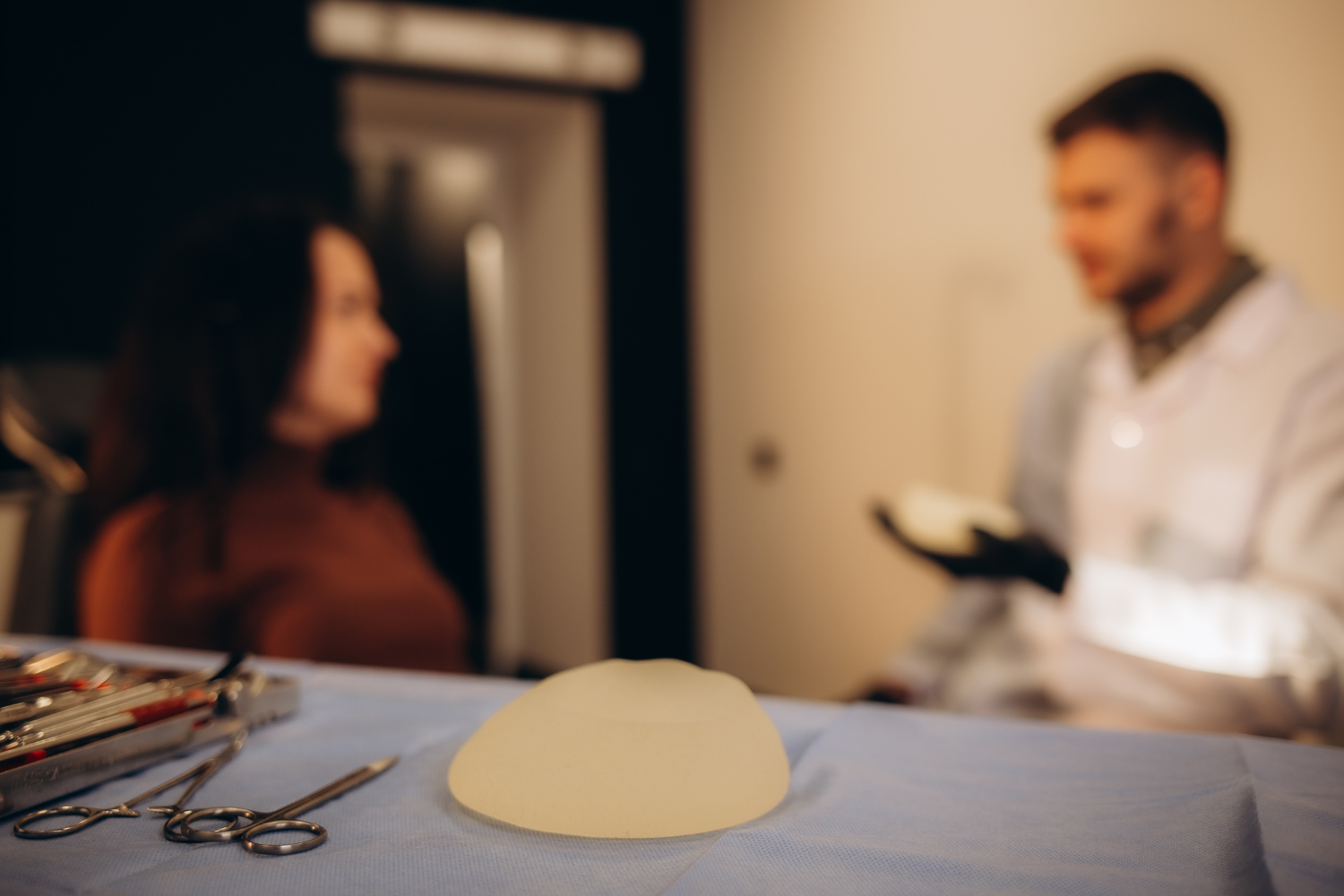
Breast implant removal not only does it respond to aesthetic reasons, but it can also improve physical health and general well-being, especially by relieving neck and back pain. Many patients with implants experience persistent discomfort due to the weight of the implants or changes in posture.
Dr. Allan Ceballos, specialist in plastic and reconstructive surgery, explains that explantation can be an effective alternative for those patients who seek to improve their health and quality of life. This article details how implants influence the body's biomechanics, how removal can alleviate pain, and what to expect before, during and after surgery.
The weight and position of the implants can generate postural changes that affect the spine, shoulders and neck. By adding extra weight to the chest, the body adopts compensatory postures, causing muscle tension and contractures that manifest as chronic pain.
When implants are placed under the chest muscle, it and adjacent muscles, such as the latissimus latissimus, are forced to adapt to the extra weight. This tension can lead to hunched shoulders, forward leaning and stiffness in the upper back. During postoperative recovery, the recommendation to sleep half-seated or avoid certain positions prolongs this tension, favoring the onset of neck and back pain.
The pain mainly arises from muscle tension and contracture. The muscles of the chest connect with those of the back, neck and arms, so any alteration can radiate pain. Large implants or capsular contracture increase pressure on the spine and generate painful trigger points, which can cause chronic discomfort if not corrected.
The size and weight of the implant, the patient's physical constitution, a history of neck or back pain, and the quality of postoperative recovery influence the onset of pain. Sleeping in inappropriate positions or a lack of strengthening exercises also increase the risk. Maintaining an adequate balance between implant volume and anatomical conditions is key to minimizing long-term discomfort.
Explantation is a surgical procedure that requires careful medical evaluation and personalized planning. Dr. Allan Ceballos stresses that the decision to perform this surgery should be based on medical reasons or changes in the patient's personal preferences, always prioritizing their safety and physical and emotional well-being.
Among the most common reasons are:
For this reason, the consultation with a specialized plastic surgeon is essential for evaluating each case, defining risks and benefits, and plan surgery in a personalized way.
The procedure varies depending on the condition of the implant and the conditions of the surrounding tissue. Usually, a incision in strategic areas that minimize visible scarring. The surgeon carefully releases the implant and, if necessary, removes scar tissue.
In cases of rupture, thorough cleaning is carried out to avoid traces of silicone or saline solution. After extraction, you can choose not to place new implants or perform reconstruction with techniques such as fat grafts, preserving the integrity of the breast tissue and optimizing recovery.
Dr. Allan Ceballos emphasizes that the plastic surgeon has a fundamental role: he evaluates the condition of the implants and the tissue, defines the most appropriate surgical technique, oversees the anesthesia and the procedure, and controls postoperative recovery.
In addition, it informs the patient about risks, benefits and alternatives, ensuring that expectations are realistic and that the results are satisfactory both in terms of health and aesthetics. Communication between patient and surgeon is vital to achieving satisfactory health and aesthetic results.
General anaesthesia is the most common in complex surgeries, allowing for a safe and pain-free procedure. In certain cases it can be used local anaesthesia with sedation, keeping the patient conscious yet relaxed. Safety includes vital sign monitoring, infection control, and strict surgical protocols, factors that directly impact recovery and surgical experience.
After the explantation, it's normal to experience chest, neck and back pain. Its evolution varies depending on the patient and the complexity of the surgery.
Keep a good stance, avoid sudden movements and perform gentle stretching as permitted by the surgeon, it helps to reduce tension.
Applying cold compresses for the first 48 hours reduces inflammation, and then moderate heat relaxes muscles. Sleeping with your head slightly elevated and avoiding strenuous physical exertion for at least six weeks contributes to a more comfortable recovery.
Pain management is supported by prescription pain relievers, such as anti-inflammatory drugs or paracetamol. Keeping sutures clean and dry prevents infections. Do not immerse yourself in water until fully healed and adequate rest promotes recovery. For severe pain, fever, swelling, or secretions, immediate medical attention should be sought.
Physical and psychological benefits of explantation
Extraction of breast implants can have a significant impact on body posture. By eliminating the extra weight, the shoulders, neck and back stop compensating for the extra load, allowing the spine to regain its natural alignment. This helps to reduce the muscle tension, contractures and postural fatigue, promoting greater comfort in daily activities.
One of the most important benefits is the reduction of chronic neck and back pain. By relieving the pressure that implants exert on the muscles, tension points and compensatory reflexes that cause discomfort are reduced, allowing greater freedom of movement and physical well-being.
Explantation improves the mobility and flexibility, making it easier to perform exercises and stretching that could previously be painful or uncomfortable. This helps maintain musculoskeletal health and prevents problems resulting from prolonged incorrect postures.
Eliminating persistent physical discomfort has a direct effect on the emotional health. Many patients experience lower anxiety, better quality of sleep, and increased self-esteem as they regain a more natural appearance. The sense of well-being increases, generating greater confidence and quality of life.
Dr. Allan Ceballos emphasizes that proper medical planning and professional follow-up are essential. A supervised process allows the patient to gradually adapt to their new body balance, reinforcing postural benefits and reducing the risk of recurrent discomfort.
Taken together, explantation doesn't just alleviate physical pain, but it also favors the emotional and mental health, generating a positive and lasting effect on the patient's quality of life.
Yes, removing implants reduces the burden on the spine and shoulders, improving posture and reducing muscle contractures that cause pain.
A reduction in bust size, changes in the silhouette and possible improvement of inflammatory symptoms related to implants are expected.
Major risks include bruising, seromas, capsular contracture, and infections. Proper planning and medical monitoring minimize these risks.
The pain usually improves progressively during the first few weeks, although some muscle discomfort may persist for up to a month or longer.
Yes, using fat grafting or other techniques, surgery may include reconstruction to preserve the shape of the breast.
Regular checks with the surgeon are recommended to monitor healing, possible complications and evolution of posture and muscle pain.
Breast implant removal not only does it seek aesthetic changes, but it can also Relieve neck and back pain, improve posture and promote general well-being.
Dr. Allan Ceballos emphasizes that a comprehensive evaluation, a safe procedure and proper post-operative management are essential to achieve optimal health and aesthetic results. For those who suffer from chronic discomfort associated with breast implants, explantation represents a reliable and effective alternative to recover quality of life.
Meta title: Breast Implant Removal and Neck and Back Pain Relief | Dr. Allan Ceballos
Meta description: Find out how breast implant removal can ease neck and back pain. Procedure, recovery, risks and benefits explained by Dr. Allan Ceballos.
.png)
9 A. M. - 8 P. M.
Monday - Friday
Closed
Saturday - Sunday