
.svg)


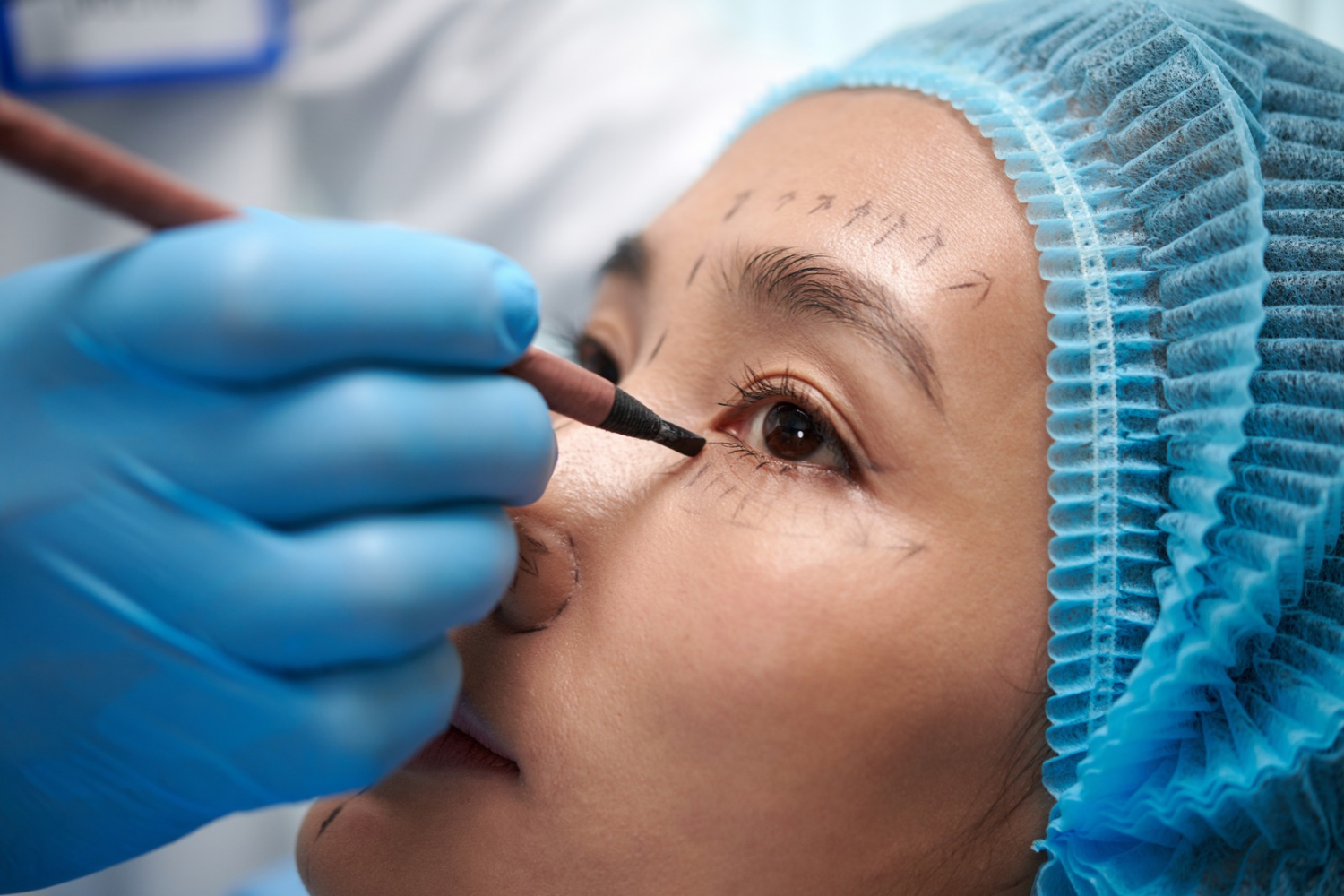
There are times when the mirror seems to reflect a more tired version of ourselves than we actually feel. The skin around our eyelids can lose firmness, bags can appear under our eyes, or our gaze can look heavy, even after a good night's sleep. For many people, these changes are among the first visible signs of aging.
Dr. Allan Ceballos explains cosmetic eyelid surgery can be an option for those who wish to improve these features and regain a fresher, more rested appearance. Blepharoplasty allows for the treatment of certain excess skin and fat in the eyelids, respecting the natural proportions and characteristics of each face.
For patients who have begun to feel uncomfortable with the appearance of their eyes, making the decision to have surgery can generate excitement, but also questions,Am I a good candidate? Will the surgery change my appearance? How long will my recovery take? Is the procedure purely cosmetic, or can it also improve vision?
Therefore, understanding how it works is important.BlepharoplastyKnowing what you can achieve and what to expect during each stage is an important step before making a decision.
The cosmetic eyelid surgeryBlepharoplasty, medically known as eyelid surgery, is a surgical procedure that can be performed on the upper eyelids, lower eyelids, or both. Its purpose is to improve certain characteristics of this area by treating excess skin, fat, and other tissues, according to each patient's needs.
The procedure is not simply about removing skin. Every face has a different anatomy, and the surgeon must assess aspects such as the position of the eyebrows, the shape of the eyes, skin quality, fat distribution, and the relationship between the upper and lower eyelids.
For this reason,Personalized planning is an essential part of blepharoplastyThe goal is to achieve a balanced appearance, avoiding unnecessarily altering the patient's natural expression.
Surgery can treat excess skin that folds over the upper eyelid, certain fat deposits that create a puffy appearance, bags under the eyes, and some age-related changes in the lower eyelid. In some cases, excess skin on the upper eyelid can also interfere with the field of vision.
However, it's important to have realistic expectations. BlepharoplastyIt is not designed to eliminate all wrinkles around the eyes, completely correct dark circles, or lift drooping eyebrows on its own.When other facial changes are present, the specialist can determine if additional treatments need to be considered.
The choice of technique depends on the anatomical characteristics and the patient's goals.
Sometimes the upper eyelid is affected by hyperpigmentation. One of the most common reasons for considering blepharoplasty. It is the presence of redundant skin that makes the eyelid appear heavy or alters its natural contour. In more pronounced cases, this excess skin can even affect part of the visual field.
The evaluation should also determine whether the droopy eyelid appearance is actually due to excess skin. In some people, the position of the eyebrow or a condition known as ptosis can contribute to the droopy appearance and require a different approach.
Lower blepharoplasty is aimed at the characteristics of the lower eyelid, especially bags under the eyes, excess skin, and certain changes related to fat distribution.
The technique used can vary considerably from patient to patient. Therefore, a detailed evaluation is essential to decide whether it is appropriate to treat the skin, reposition tissues, modify fat, or combine different strategies.
One of the most important questions before eyelid surgery is to determinewhy the patient wishes to undergo the procedure.
In terms of aesthetics, the patient may feel self-conscious because their eyes appear tired, aged, or heavy. They might notice bags that don't disappear with rest or excess skin that alters the appearance of the eyelid.
In these cases, the goal is to improve the appearance of the area and achieve a fresher look, while maintaining the naturalness of the face. The surgery should be tailored to the patient's anatomy and expectations, not to a single ideal of beauty.
In some individuals, excess skin on the upper eyelid can interfere with vision. Evaluation may include a review of visual function and the structures involved in eyelid position. In patients with significant visual field obstruction, specific tests may be used to document the problem.
It is important to differentiate excess skin from other causes of drooping eyelids.ptosis palpebralFor example, it may be related to alterations in the muscle that raises the eyelid and may require a different treatment.
There is no single age that determines who should have blepharoplasty. The most important factors are a combination of overall health, eyelid characteristics, eye conditions, and the patient's expectations.
Generally speaking, good candidates are those who are in suitable condition for surgery, have realistic goals, and do not have certain eye diseases or problems that could increase the risk of the procedure. It is also important to inform the surgeon about any medications, medical history, and any eye-related symptoms.
Evaluation is especially important if there is dry eye, thyroid disease, a history of eye surgery, or other problems with cicatrization or other relevant medical conditions. Being a candidate is not determined solely by looking at photographs but through a complete clinical assessment.
The consultation is one of the most important moments in the process. It's an opportunity to explain your concerns about your eyelids, what results you expect, and what aspects of your appearance you wish to preserve.
During the evaluation, the surgeon may review your overall health, medical and eye history, medications you are taking, previous surgeries, and any factors that could influence your recovery. They may also analyze the anatomy of your eyelids, the position of your eyebrows, and the quality of your tissues.
Dr. Allan Ceballos can use this assessment to determine which technique is best suited to your individual needs. It's also the ideal time to discuss expectations, potential outcomes, the type of anesthesia, the recovery process, and any associated risks.
A good consultation shouldn't be limited to deciding whether or not to have surgery. It should help you understand what can blepharoplasty actually achieve in your particular case?.
The surgical technique will depend on whether the upper eyelid, the lower eyelid, or both are being treated. It can also vary depending on the amount and location of excess skin and fat, tissue elasticity, and other anatomical factors.
On the upper eyelid, the incision is usually planned within the natural crease to promote a discreet scar once the area has healed. On the lower eyelid, the strategy may differ depending on whether excess skin, fat deposits, or a combination of factors predominates.
The surgery can be performed independently or as part of a broader facial rejuvenation plan when other areas also require attention. The decision should be made based on individual needs and after a professional evaluation.
Recovery is a fundamental part of anycosmetic eyelid surgeryAfter the procedure, it is common to experience swelling and bruising, as well as some irritation, dryness, or discomfort. The surgeon may recommend cold compresses, lubrication, and specific medications depending on the patient's needs.
During the first few days, it's important to carefully follow the instructions you receive. It's also usually necessary to protect your eyes from sun exposure during the healing process and use appropriate sun protection as recommended by your doctor.
Recovery time varies from person to person. According to the American Society of Plastic Surgeons, many patients can look presentable in approximately 10 to 14 days, although healing and tissue evolution continue for several months afterward.
Initial changes may be seen once some of the inflammation subsides, butThe final result should not be evaluated too soon.Tissues need time to settle and scars continue to mature during the recovery process.
The results of blepharoplasty can be long-lasting, although the face continues to age naturally. Maintaining adequate sun protection and following medical recommendations can help preserve the results in the long term.
Like any surgical procedure, blepharoplasty carries risks. Possible effects include bleeding, infection, changes in sensation, dry eyes, difficulty closing the eyes completely, eyelid position changes, unfavorable scarring, and temporary or permanent changes in vision, although some serious complications are rare.
The best way to reduce risks is to have a proper assessment, provide the surgeon with complete information about your health status, and carefully follow the instructions before and after the procedure.
During the consultation, it is advisable to ask directly about the specific risks in your case, the location where the procedure will be performed, the expected recovery, and how potential complications would be handled.
It can treat certain under-eye bags when they are related to changes in fat and tissue of the lower eyelid. However, not all dark circles or bags have the same cause. Therefore, treatment should be determined after an individual assessment.
The goal of a properly planned blepharoplasty is not to transform the face's identity, but to improve certain characteristics of the eyelids. The technique must be adapted to each patient's anatomy to preserve a natural appearance.
Initial recovery typically includes swelling and bruising. Many patients can return to public life after approximately 10 to 14 days, although complete healing can take several months. The exact timeframe depends on the individual and the extent of the procedure.
In some patients, excess skin on the upper eyelid can interfere with the visual field, and its treatment may have a functional component. However, not all vision problems are related to excess skin. It is necessary to determine the cause through a proper evaluation.
Not necessarily. While age-related changes are a common reason to consider blepharoplasty, some people may have excess eyelid skin or inherited characteristics at a younger age. Age alone does not determine if a person is a candidate.
Deciding to have cosmetic eyelid surgeryIt's a personal decision. It's not simply about changing a facial feature, but about understanding what bothers you, what result you expect, and what procedure can be responsibly tailored to your needs.
With Dr. Allan Ceballos, the process begins with an individual consultation where you can express your goals and have your questions answered. Based on this evaluation, you will learn if blepharoplasty is right for you, which technique could be used, and what you can expect from the recovery process.
If you feel that your eyelids make your eyes look more tired than you actually are,a professional consultation can be the first step in learning about your options.. Schedule an evaluation with Dr. Allan Ceballos and discover what alternatives can help you achieve a fresher, more natural appearance that is in harmony with your face.
Meta title:Cosmetic eyelid surgery, blepharoplasty and results
Meta description:Learn about eyelid surgery, what blepharoplasty is, who can be a candidate, its aesthetic and functional objectives, recovery and results with Dr. Allan Ceballos.
.png)
9 A. M. - 8 P. M.
Monday - Friday
Closed
Saturday - Sunday