
.svg)


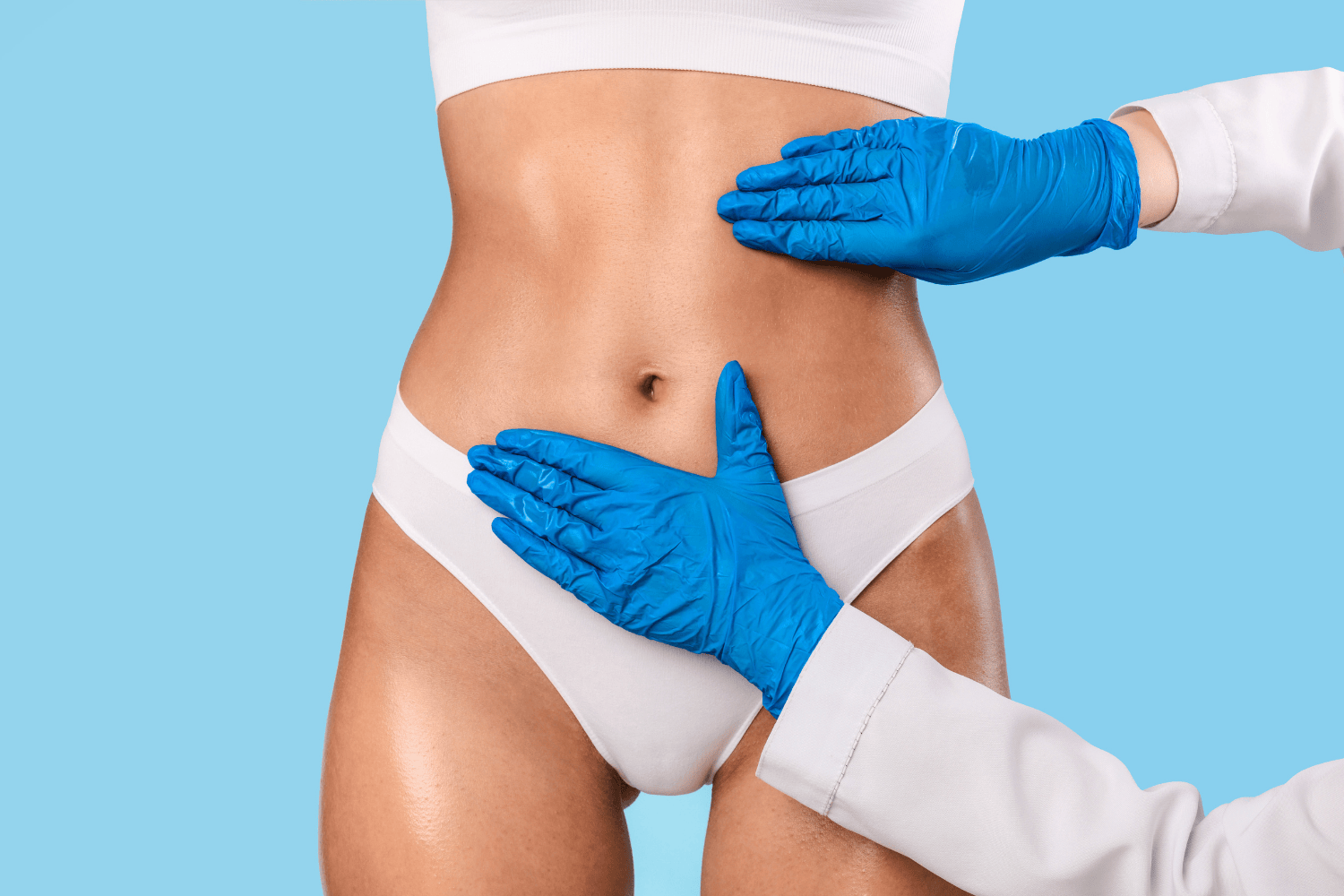
Recovery after a tummy tuck is as important a stage as the surgery itself. Not only does it determine how tissues heal, but it also directly influences the final form of the abdomen, the quality of the scar, and the harmony of the body contour.
As he explains the Dr. Allan Ceballos, an optimal aesthetic result does not depend solely on the surgical technique, but on strict adherence to postoperative care for weeks and months.
During tummy tuck recovery, proper care is essential to maintain a uniform abdominal shape and achieve an optimal aesthetic result.
In this article, you will learn about the key precautions that influence the shape of the abdomen after surgery, from the correct use of the girdle and posture, to mobility, control of inflammation, and medical recommendations that promote safe recovery and more harmonious results.
The goal is for you to know what to do, when to do it, and why, avoiding common errors that can affect the final result.
The abdominoplasty not only eliminates excess skin and fat, but it also usually includes abdominal muscle repair. During recovery, these tissues are undergoing deep healing and may be affected by posture, external pressure, inflammation, or premature physical exertion.
The recovery aftera Tummy Tuck is a dynamic process. In the first few weeks, muscle swelling and tension are normal, but if not properly controlled, they can cause irregularities, stiffness, or a less defined appearance of the abdomen. Therefore, following medical instructions is not optional, but an essential part of the treatment.
During the first few days, the abdomen usually looks swollen, tight, and has limited mobility. This phase is critical to protect muscle repair and prevent excessive fluid accumulation. Maintaining the slightly flexed position while walking and resting reduces tension on the internal suture and promotes a more uniform shape of the abdomen.
Constant use of the girdle, relative rest, and gentle walks help control inflammation and keep the abdomen in the correct position while healing begins.
At this stage, the inflammation begins to decrease gradually. The shape of the abdomen is not yet definitive, but changes in the contour are already beginning to be noticed. Continuing to take care of your posture, avoiding sudden stretching, and respecting activity restrictions are key to not affecting muscle repair.
Many people resume light activities, but any overexertion can cause secondary inflammation and affect abdominal symmetry.
From the sixth week onward, deep tissues continue to adapt. The final form of the abdomen is gradually being defined, although complete healing may take up to a year. In this phase, a controlled return to exercise and ongoing scar care help to consolidate the results.
The postoperative girdle plays a fundamental role in Recovery after a tummy tuck. It helps to reduce inflammation, to support the abdominal wall, and to help the skin adapt to the new contour. In addition, it provides support to repaired muscles, contributing to a flatter and more uniform abdominal shape.
Generally, the surgeon recommends using the girdle continuously for the first few weeks and then progressively reducing its use. Interrupting use prematurely may cause fluid accumulation or contour irregularities. Dr. Allan Ceballos emphasizes that the exact duration depends on the type of tummy tuck and the individual evolution of each patient.
A girdle that is too tight can cause discomfort, alter circulation, and generate unwanted marks, while a very loose one loses its function. The correct fit and proper hygiene of the garment are part of the care that directly influences the final shape of the abdomen.
Maintaining proper posture during recovery after a tummy tuck helps protect the internal suture and to avoid unnecessary tension on the abdomen. Walking slightly inclined at first is normal and recommended, but this posture should be progressively corrected as directed by the surgeon.
Sleeping on your back with your torso slightly raised and knees bent reduces abdominal pressure and promotes more uniform healing.
Gentle mobility from the first few days improves circulation, reduces the risk of clots, and helps drain fluids. Regular walking, without straining the abdomen, contributes to a more stable recovery process and a better adaptation of the tissues.
Inflammation is a normal response of the body, but its proper control is decisive for the aesthetic result. A swollen abdomen may appear irregular or less defined, causing unnecessary concern if the process is not understood.
During the Recovery after a tummy tuck, measures such as adequate hydration, a balanced diet, and rest with trunk elevation help reduce inflammation. In some cases, the surgeon may recommend complementary therapies, always under medical supervision.
A protein-rich diet promotes tissue repair and helps maintain abdominal firmness. Reducing sodium intake helps decrease fluid retention, which has a positive impact on the appearance of the abdomen during recovery.
Drinking enough water improves circulation and lymphatic drainage. Avoiding tobacco and alcohol is essential, as both interfere with healing and can negatively affect the final shape of the abdomen.
Exercise is a key tool for maintaining long-term results, but it should be introduced gradually. During recovery after a tummy tuck, direct abdominal exercises are postponed until authorized by the surgeon.
Starting with low-impact activities and gradually strengthening the body helps to preserve the abdominal shape achieved with surgery. Forcing the abdomen prematurely can compromise muscle repair and cause irregularities.
Although the scar does not directly define the shape of the abdomen, it does influence the aesthetic perception of the result. Keeping the incisions clean, protected from the sun, and following the recommendations for scar care contribute to a more harmonious result.
The scar matures over time, and its appearance progressively improves over months. Patience and perseverance are essential parts of recovery.
During recovery after a tummy tuck, it's important to recognize signs that require medical attention. A sudden increase in inflammation, severe pain, fever, or changes in skin color may indicate complications that, if treated in time, prevent negative effects on the abdominal shape.
Regular medical monitoring makes it possible to detect and correct any problems early.
Yes, decreased sensitivity is common during Recovery after a tummy tuck due to manipulation of surface nerves. In most cases, tenderness returns progressively over the next few months, although some areas may take longer to recover.
Yes, a feeling of hardness is common during recovery after a tummy tuck, especially if there was muscle repair. This stiffness gradually decreases as healing progresses and mobility normalizes.
The girdle does not mold on its own, but it helps the tissues to heal in the correct position. Its proper use during recovery contributes to a more uniform and stable contour.
Direct abdominal exercises are usually resumed between 8 and 12 weeks, depending on individual evolution, and always with the authorization of the surgeon. Starting them early can affect muscle repair and the shape of the abdomen.
Recovery after Tummy Tuck it is a process that requires commitment, patience, and medical follow-up. Daily care, from the use of the girdle to posture, mobility, and diet, directly influences the final form of the abdomen.
As emphasized by Dr. Allan Ceballos, a well-guided recovery is the basis for safe, harmonious, and long-lasting results.
Understanding that the abdomen needs time to heal and adapt allows us to live the process with greater peace of mind and realistic expectations. Following professional guidelines and respecting each phase of recovery not only reduces risks but also maximizes the aesthetic benefits of surgery.
.png)
9 A. M. - 8 P. M.
Monday - Friday
Closed
Saturday - Sunday