
.svg)


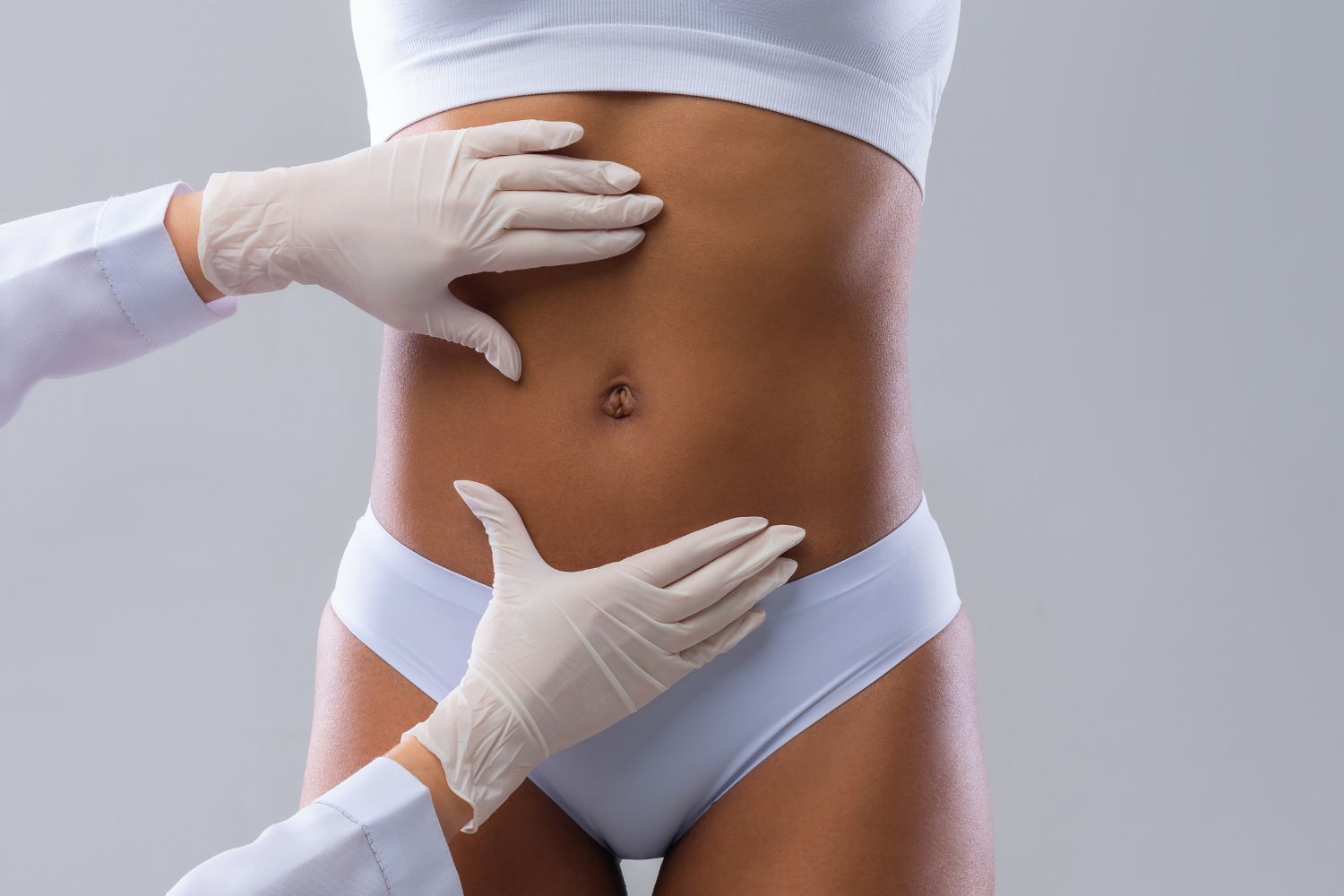
Abdominoplasty (tummy tuck) is a procedure that not only redefines the silhouette but also restores abdominal strength and confidence in the body. However, the success of this surgery doesn't end in the operating room: recovery is an essential part of the process. Sleeping or sitting incorrectly can strain the incisions, cause unnecessary discomfort, or even delay healing.
Dr. Allan Ceballos, a plastic surgeon in Guadalajara with more than 15 years of experience, stresses that the first few days after a tummy tuck are crucial. Adopting appropriate sleeping and sitting positions protects surgical work and promotes a faster, more comfortable, and natural recovery.
With his careful approach and personalized attention, he guides each patient step by step so that the postoperative period is as safe as the results are harmonious.
Read also: How to Prepare for a Tummy Tuck: An Essential Guide.
After a tummy tuck, the abdominal muscles have been strengthened, and the skin has been tightened for a firmer and more toned surface. During the first few weeks, this area is still sensitive, and any movement or position that exerts tension can compromise the final result.
Sleeping or sitting incorrectly can cause several undesirable effects: increased inflammation, fluid formation (seroma), muscle pain, or a scar that heals more rigidly. For this reason, maintaining proper posture is an active part of recovery, as well as rest or nutrition.
Medically speaking, the recommended positions help reduce pressure in the abdomen, improve circulation, and keep internal sutures aligned. In addition, from an aesthetic approach, they make it easier for the skin to adapt correctly to the new body contour, allowing for a more natural and harmonious result.
Dr. Ceballos believes that these recommendations are not only technical but a way of teaching the body to move again with balance and respect for its new shape. Each indication seeks to protect surgery and, at the same time, improve the patient's relationship with their own body.
For the first few days after surgery, the body requires rest and a position that reduces any abdominal tension. The best posture is face up, with the torso slightly raised and the knees flexed. This pose, known as a “reclining position” or “beach chair position”, promotes circulation, reduces swelling, and relieves pressure on the incisions.
Dr. Ceballos recommends that patients use an adjustable bed or, failing that, a set of firm pillows to maintain this constant inclination. The goal is to achieve an intermediate position between lying and sitting, where the abdomen is kept relaxed and protected.
Sleeping completely flat can stretch newly repaired muscles, while sleeping on your side too soon can increase the risk of tension or opening of sutures.
In practice, many patients find it useful to sleep in a recliner chair, as it helps to maintain the ideal position effortlessly. This type of support is especially useful during the first two weeks, when the abdomen needs the highest possible level of protection.
As recovery progresses, the body begins to adapt to its new structure. Around the third or fourth week, it is possible to slowly transition to lateral sleep, always under medical supervision. During this stage, the use of support pillows is key: one between the knees and the other in front of the abdomen helps to maintain body alignment and avoid pressure on the surgical area.
Sleeping on your stomach should be avoided for the first 6 to 8 weeks, until the surgeon confirms that the tissues are fully stabilized.
Sleeping well after a tummy tuck is as much a matter of posture as it is of preparation. Before going to bed, make sure your sleeping space is comfortable and safe. A surface that is too soft can sag the abdomen, while a surface that is too stiff could cause discomfort in the back.
Dr. Ceballos recommends creating an environment that facilitates relaxation of the body and mind. Keeping the room at a comfortable temperature, wearing light clothing, and a post-operative girdle as medically indicated helps maintain the stability of the abdomen during the night.
In addition, it is essential to learn to get up properly. Instead of standing up suddenly, turn to the side first, support your arms, and gently push your body into a sitting position. This movement avoids putting direct pressure on the abdomen and protects the internal sutures.
Every small gesture — from how you lie down to how you breathe when you sleep — helps to make your recovery smoother, faster and, above all, more comfortable.
Sitting may seem like a simple action, but after a tummy tuck, it requires special attention. In the early days, the abdomen is tender, and any posture that involves stretching it excessively or bending it abruptly can cause discomfort or compromise healing.
For this reason, Dr. Ceballos recommends maintaining a slightly recumbent posture, with the back supported and the hips flexed, so that the abdomen remains relaxed. It's not about sitting completely upright, or about hunching forward: the ideal is to find a midpoint that respects the body's natural tension without straining your skin or muscles.
If the patient needs to work or eat while seated, it is best to do it in a comfortable chair with a padded backrest and good height, which allows the pelvis and back to be kept in balance. A small pillow can be placed behind the lower back to improve support, and another under the thighs if pressure relief is needed.
During the first week, it is advisable to limit sitting time to short periods, lasting between 10 and 15 minutes, alternating with short walks or moments of rest in a reclining position. As the days go by, the time may increase progressively, as long as there is no tightness or pain in the abdomen.
Beyond the physical, the act of sitting correctly also symbolizes a process of adaptation: the body regains its mobility, and the patient begins to reconnect with its new form. In that sense, every conscious movement contributes not only to healing but also to the acceptance and emotional well-being that accompany aesthetic change.
For Dr. Allan Ceballos, plastic surgery is not only about modifying the external appearance, but about improving the patient's relationship with their own body. Posture—whether when sleeping or sitting down—directly influences how the body heals and how the new abdominal contour settles.
That's why its post-operative approach combines medical precision with human support. Each patient receives personalized instructions on positions, movement, use of girdles, and activity times, adapted to their body type and the complexity of the procedure performed.
Not only does this level of detail ensure a safer recovery, but it also reflects Dr. Ceballos's commitment to natural, symmetrical, and long-lasting results.
International patients who visit Guadalajara to perform their tummy tuck with Dr. Ceballos receive comprehensive guidance to plan their recovery before arriving in Mexico. The medical team ensures that every detail — from accommodation to post-operative comfort — is covered.
During the stay, the patient receives guidance on how to prepare their temporary room or apartment, what type of bed or chair to use, and how to position themselves during the first flights or transfers. This level of care allows the process to be smooth and safe, even away from home.
The continuous support of Dr. Ceballos and his team makes each patient feel cared for and understood at all times, ensuring that the cosmetic surgery experience in Mexico is not only transformative but also calm and reliable.
Avoiding these errors helps to protect the results of your surgery and to enjoy a more comfortable recovery.
You may also be interested in: Risks and Benefits Associated with Tummy Tuck: A Complete Guide.
Most patients maintain this position between 2 and 4 weeks, depending on the type of tummy tuck and the extent of the procedure. Dr. Ceballos will indicate the ideal time to resume your normal sleep habits.
No. Sleeping on your side can strain the incisions. This position is only recommended after three or four weeks and always under medical supervision.
An adjustable bed or recliner offers the perfect support. You can also use wedge pillows to maintain the proper inclination if you don't have that type of furniture.
Yes, if your surgeon authorizes it. The girdle helps keep the abdomen stable and reduces swelling during rest.
The ideal is to use an ergonomic reclining chair with lumbar support. Keep your feet supported and take short breaks every hour to walk and stretch your legs.
Dr. Ceballos recommends waiting at least two or three weeks before taking a flight, and during the trip, maintain a semi-recumbent posture, walking periodically to avoid stiffness.
Sleep and sit properly after an Abdominoplasty. These are not simple medical recommendations: they are an essential part of the transformation process. These positions protect surgical work, promote proper healing, and help you reconnect with your body based on well-being and confidence.
In the hands of Dr. Allan Ceballos, every detail —from the surgical technique to the postoperative follow-up— is designed to achieve natural, safe, and long-lasting results.
Ready to take the next step? Schedule your appointment with Dr. Allan Ceballos and discover how his, precision, and empathy can help you achieve a firm, balanced abdomen and a smooth recovery from day one.
Also read: Reverse Abdominoplasty vs. Standard Abdominoplasty: Differences, Results and Recovery.
.png)
9 A. M. - 8 P. M.
Monday - Friday
Closed
Saturday - Sunday