
.svg)


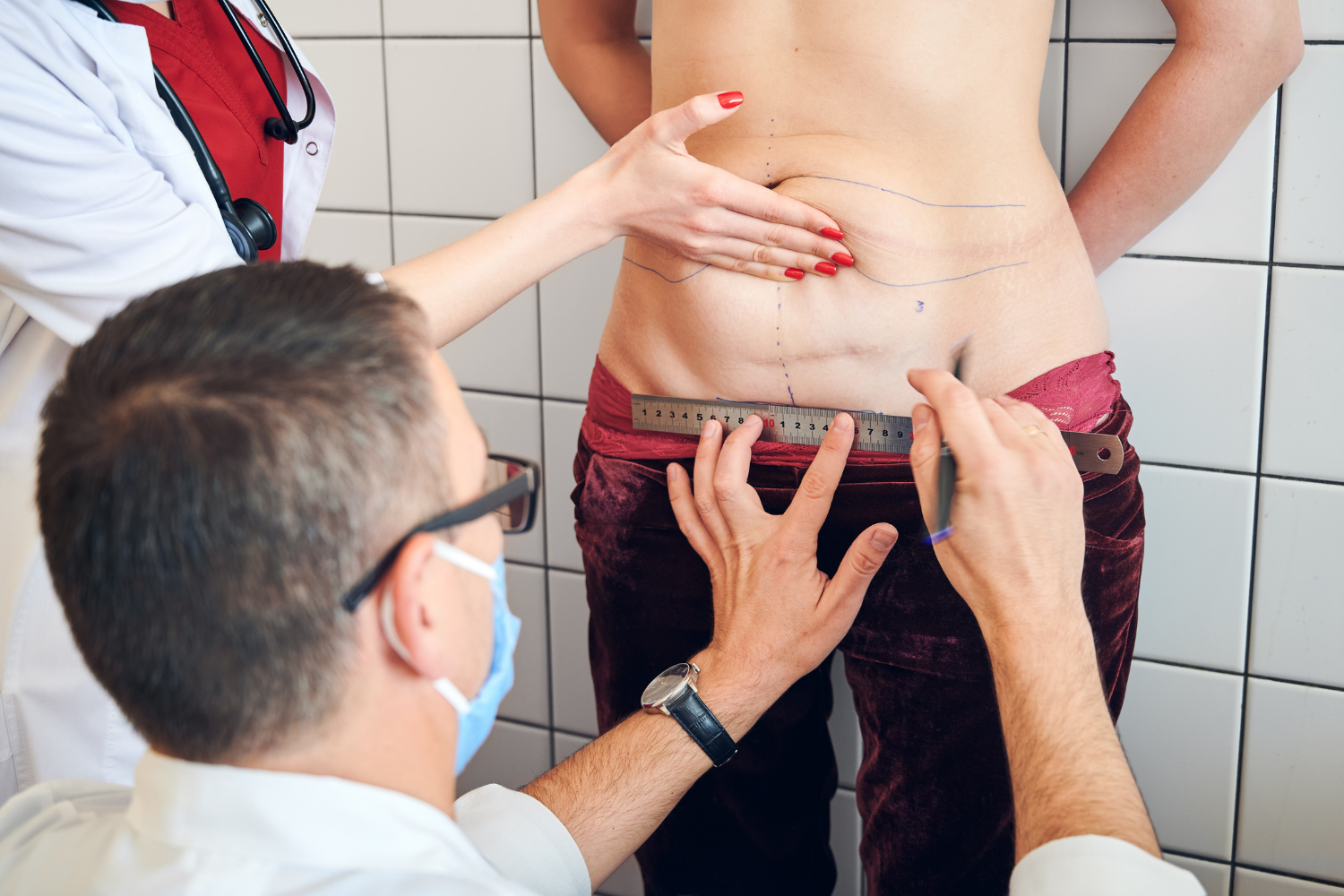
The rectal diastasis is a separation of the tissue that connects the abdominal muscles, common after pregnancy or significant weight loss. This condition can cause weakness in the abdomen, discomfort in the lower back, and a bulging appearance in the middle area.
Through an abdominoplasty for rectal diastasis repair, it is possible to restore the firmness of the abdomen and recover the stability of the core. In the clinic of Dr. Allan Ceballos, a plastic surgeon in Guadalajara, Mexico, this procedure combines technical precision and aesthetic sensitivity to achieve results that look and feel natural.
Beyond transforming the silhouette, Dr. Ceballos's goal is to restore body harmony and personal confidence that many patients feel they have lost after the physical changes of pregnancy or the passage of time.
Rectum diastasis occurs when the connective tissue that connects the rectus muscles of the abdomen (the linea alba) is stretched or weakened, allowing both muscles to separate. Although it can affect anyone, it's especially common in women who have had multiple pregnancies, as well as in people who have experienced significant weight variations.
Common causes include:
This separation not only changes the shape of the abdomen; it can also cause low back pain, posture problems, pelvic floor weakness, and even difficulties in performing basic exercises.
You may also be interested in: Understanding the Purpose of Abdominoplasty at Mommy Makeovers.
The abdominoplasty (also known as Tummy Tuck) is the most effective surgical procedure for correcting rectal diastasis. Unlike exercise or physical therapy, which can help in mild cases, surgery allows bring your separated abdominal muscles together and reinforce the abdominal wall from the inside.
During the intervention, Dr. Ceballos aligns the rectus abdominal muscles through internal sutures that restore the natural tension of the alba line. In addition, it removes excess skin and fat, providing a firmer, flatter, and more aesthetic abdominal surface.
This procedure doesn't just improve the appearance; it also recovers muscle function and offers more stable support for the back and trunk, helping to reduce postural discomfort.
Every patient who comes to Dr. Ceballos's clinic receives a personalized assessment, which allows us to understand their anatomy, aesthetic objectives, and lifestyle. Its approach is distinguished by combining the advanced surgical technique with an artistic eye that seeks balanced and natural results.
Dr. Ceballos personally manages each stage of the process —from the initial consultation to the postoperative follow-up—, ensuring a safe, transparent, and accompanied experience.
For international patients, the clinic's team coordinates every aspect of travel and recovery in Guadalajara, ensuring a comfortable and hassle-free medical experience.
How to Prepare for a Tummy Tuck: An Essential Guide.
The procedure is performed under deep sedation with regional anaesthesia or, in some cases, general anaesthesia. The surgery lasts approximately three to four hours, depending on the extent of the repair.
Stages of the procedure:
After a tummy tuck to repair rectum diastasis, patients experience benefits that go beyond appearance:
Many women describe this procedure as a liberating step, especially after pregnancies that altered the shape and strength of their abdomen. For them, regaining body firmness and symmetry also means reconnecting with their identity and self-esteem.
Also read: Abdominoplasty and Weight Loss: What You Need to Know Before Surgery.
The recovery process is gradual and requires careful follow-up of Dr. Ceballos's instructions. In most cases:
The best candidates for tummy tuck with rectal diastasis repair are people who:
Before surgery, a comprehensive medical assessment, which includes preoperative studies and a personalized evaluation of the patient's objectives.
Every year, Guadalajara consolidates itself as one of the main medical tourism destinations in Latin America, and Dr. Allan Ceballos is renowned for offering personalized care for patients from the United States, Canada, and other countries.
The clinic team provides comprehensive assistance, which includes:
Thanks to his experience, Dr. Ceballos combines world-class medical quality with affordable costs, making it possible to have a safe, comfortable cosmetic surgery experience with high-level results.
In mild cases, some strengthening exercises may improve abdominal tone. However, when there is a significant separation, the only effective way to bring the muscles together is by surgery.
Dr. Ceballos uses deep sedation with regional anaesthesia or sedation combined with general anaesthesia, as the case may be. This technique ensures a safe experience and a more comfortable recovery.
Usually, the surgery lasts between three and four hours, depending on the extent of the repair and the amount of tissue to be removed.
Most patients can return to daily activities and work between two and three weeks after surgery, following the recommendations of Dr. Ceballos.
The incision is strategically made in the lower abdomen so that the scar remains hidden under the bikini line or underwear. Over time, this scar tends to fade markedly.
Yes. Dr. Ceballos is an active member of international medical societies and works in modern facilities with strict safety protocols. Their team offers a reliable medical environment and constant support for each international patient.
Dr. Allan Ceballos combines more than 15 years of experience in plastic surgery with an approach that prioritizes safety, precision, and naturalness. His commitment to each patient goes beyond the operating room: he listens, understands, and guides every decision with empathy and professionalism.
Unlike other, more standardized approaches, Dr. Ceballos customizes each procedure to achieve real harmony with the patient's body shape and goals. In addition, their direct participation in every stage—from assessment to suture closing—ensures more careful and natural results.
The abdominoplasty for rectal diastasis repair not only transforms the body, but also the way in which patients perceive themselves. Restoring abdominal firmness also means regaining stability, posture, and personal confidence.
In the hands of Dr. Allan Ceballos, this surgery becomes a process of reconnecting with your physical and emotional well-being, where every detail is designed to enhance your natural beauty with elegance, safety, and lasting results.
Ready to take the next step? Schedule a personalized consultation with Dr. Allan Ceballos and his team and discover how their experience, artistic precision, and close attention can help you achieve a firmer abdomen, a balanced figure, and a renewed confidence in yourself.
.png)
9 A. M. - 8 P. M.
Monday - Friday
Closed
Saturday - Sunday