
.svg)


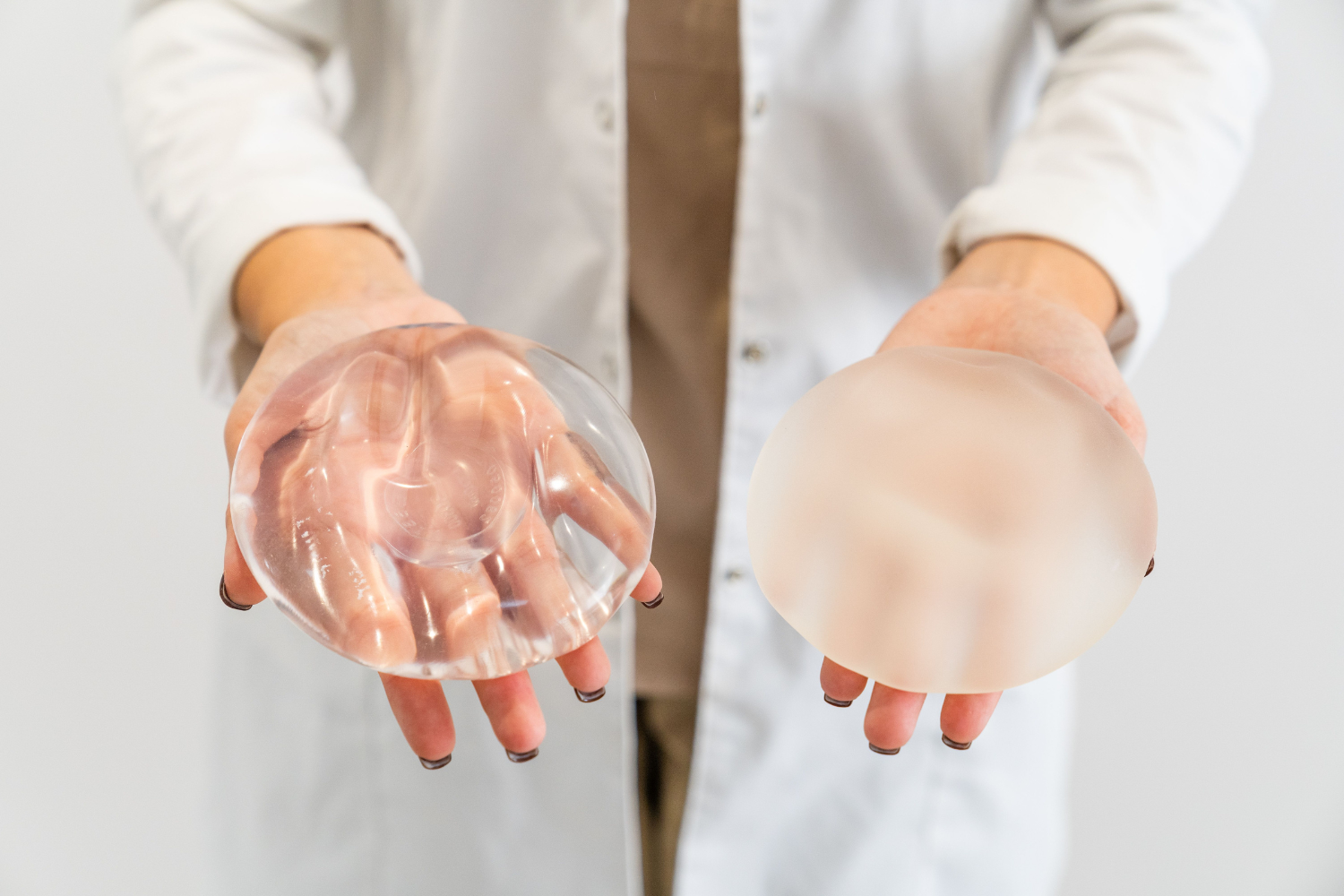
The removal of textured implants is a specialized surgical procedure that seeks to remove breast implants with a rough surface. This type of implant was designed to provide greater stability within the breast and reduce complications such as capsular contracture.
In addition, recent studies have shown that textured implants may be associated with certain risks, including the development of BIA-ALCL, a rare lymphoma specifically related to this type of prosthesis.
Dr. Allan Ceballos, renowned certified plastic surgeon, emphasizes that each patient must be evaluated individually. The decision to perform the explantation depends on medical, aesthetic and psychological factors, always seeking to guarantee safety and the best possible results.
Textured implants are characterized by their rough surface, which allows the surrounding tissue to adhere better, offering greater implant stability within the breast pocket. This property makes them especially useful in breast reconstructions or in patients who want to maintain the shape of the breast over time.
Despite these advantages, the textured surface can cause long-term complications, including excessive adhesion to the tissue, inflammation, pain, fluid accumulation or the appearance of masses.
The most serious, although rare, risk is BIA-ALCL, a lymphoma that can develop around the capsule that surrounds the implant. For these medical reasons, along with aesthetic preferences or physical discomfort, many patients opt for implant removal textured.
Textured implants are generally made of silicone with a cohesive gel, designed to mimic the natural feel of breast tissue. Its roughness allows the tissue to adhere better to the implant, reducing the risk of displacement or rotation within the breast. This feature also decreases the likelihood of capsular contracture, a hardening of the tissue surrounding the implant that can cause pain or deformity.
These implants are often used in breast reconstructions and in cases where additional implant stability is required. However, the texture that provides these advantages can also cause excessive adhesions to the tissue and immunological complications, which may make it necessary to remove it to ensure the patient's health.
The decision to undergo a removal of textured implants is usually motivated, first of all, by medical considerations. Chief among these is concern for BIA-ALCOHOL, a rare type of lymphoma that has been specifically associated with textured surface implants.
Although the risk is low, alerts issued by the FDA, the agency responsible for promoting public health and safety, have increased awareness of this condition, leading many patients to consider explantation as a preventive measure to protect their long-term health and reduce anxiety related to possible complications.
Another common reason for removing textured implants is the presence of persistent physical symptoms. Breast pain, chronic swelling, a feeling of pressure, fluid accumulation around the implant, or the appearance of palpable masses may indicate problems in the surrounding tissue.
In these cases, Explantation becomes a therapeutic option to alleviate symptoms, prevent further complications and improve the patient's quality of life. Advanced capsular contracture and excessive adhesions can also limit the natural movement of the implant and cause constant discomfort.
Over time, patients' aesthetic expectations may change. Some people decide the removal of textured implants due to age-related changes in the shape of the bust, hormonal changes, or weight changes.
In other cases, there is a desire to opt for alternatives that offer a more natural appearance, such as smooth implants The techniques of lipofilling with autologous fat, which improve breast contour with a lower risk of adhesions and a softer texture to the touch.
The emotional component plays a key role in the decision to implant textured implants. Constant concern about potential health risks, combined with overexposure to medical information, can lead to anxiety and insecurity.
For many patients, explantation represents a step towards mental peace and regaining confidence in their own body. A comprehensive approach by a certified plastic surgeon allows us to accompany this process from a medical and emotional perspective, ensuring that the decision is informed, conscious and aligned with the patient's general well-being.
Although serious events are rare, textured implants pose specific risks. The best known is the BIA-ALCOHOL, a type of lymphoma directly associated with the rough surface of implants.
Other risks include implant deflation, healing complications, and adhesions that limit the natural movement of the implant, which can cause physical discomfort and changes in the shape of the breast.
In addition, the removal of textured implants also involves surgical risks, such as infections, hematomas, asymmetry or changes in the breast contour. Therefore, prior evaluation by a certified plastic surgeon is essential to determine the need for explantation and to plan the most appropriate surgical technique.
There are several techniques for performing the removal of textured implants, and the choice depends on the condition of the capsule, tissue conditions and the patient's goals.
Simple explantation: consists of removing only the implant, leaving the fibrous capsule intact or with minimal intervention. This technique reduces surgical time and facilitates faster recovery, although the remaining capsule may cause irregularities or asymmetries if it hardens.
Partial or total capsulectomy: involves the removal of the fibrous capsule that surrounds the implant. The partial one is used when there are only affected areas, while the total one is recommended to prevent severe contractures, immunological complications or risks of BIA-ALCL. This intervention is more complex and prolongs recovery, but it restores the natural anatomy of the breast and facilitates future reconstructive procedures.
Mastopexy or reconstruction: especially when looking to maintain or improve the shape of the breast. Techniques such as lipofilling with autologous fat make it possible to reposition tissue, correct sagging and achieve a natural contour without the need for additional implants. This combination requires detailed planning and rigorous post-operative follow-up to ensure optimal results.
Although removing textured implants is safe when performed by a certified surgeon, there are specific risks that must be handled with care. These include bruising, infection, implant rupture, and changes in the shape of the breast.
The Asia Syndrome, an autoimmune reaction associated with adjuvants can also occur in some cases with textured implants, and the complete removal of the capsule helps to minimize this risk.
Proper postoperative management, pain control, early detection of bruises and prevention of infections are essential to ensure a safe and satisfactory recovery. Specialized medical care can minimize complications and optimize aesthetic and functional results.
Recovery after the explantation may last several weeks, with swelling, bruising, and minor discomfort. The initial result may show loss of volume or sagging tissue, so it is recommended to wait three to twelve months before evaluating the final shape or considering additional procedures.
After extraction, patients may choose to restore volume using smooth implants, saline solution or autologous fat transfer. This last option makes it possible to achieve a more natural contour, correct asymmetries and avoid additional implants, adapting to the aesthetic preferences and anatomy of each patient.
Dr. Allan Ceballos guides patients throughout the recovery process ensures comprehensive care, considering physical health and emotional well-being throughout the recovery process.
The results depend on the quality of the skin and breast tissue, as well as the technique used. Volume loss or changes in shape may be seen, especially if the fibrous capsule is removed.
Yes, combining techniques such as lipofilling or autologous reconstruction, an aesthetic and natural result can be achieved, adapted to the patient's anatomy and preferences.
The initial recovery lasts several weeks, with swelling and bruising. It is recommended to wait three to twelve months to evaluate the final shape of the breast before considering additional procedures.
It is essential to select a certified plastic surgeon with verifiable experience in breast explantation, reviewing case history, patient opinions and complication management strategies.
La removal of textured implants is a procedure that combines medical safety and aesthetic considerations. It is especially recommended for BIA-ALCL risks, physical discomfort or personal aesthetic desires.
Detailed planning, the choice of the appropriate surgical technique and comprehensive monitoring by specialists, such as Dr. Allan Ceballos guarantee successful results, a safe recovery and emotional well-being for the patient. This procedure not only protects health, but it offers personalized aesthetic alternatives and peace of mind to those looking for a definitive solution.
.png)
9 A. M. - 8 P. M.
Monday - Friday
Closed
Saturday - Sunday