
.svg)


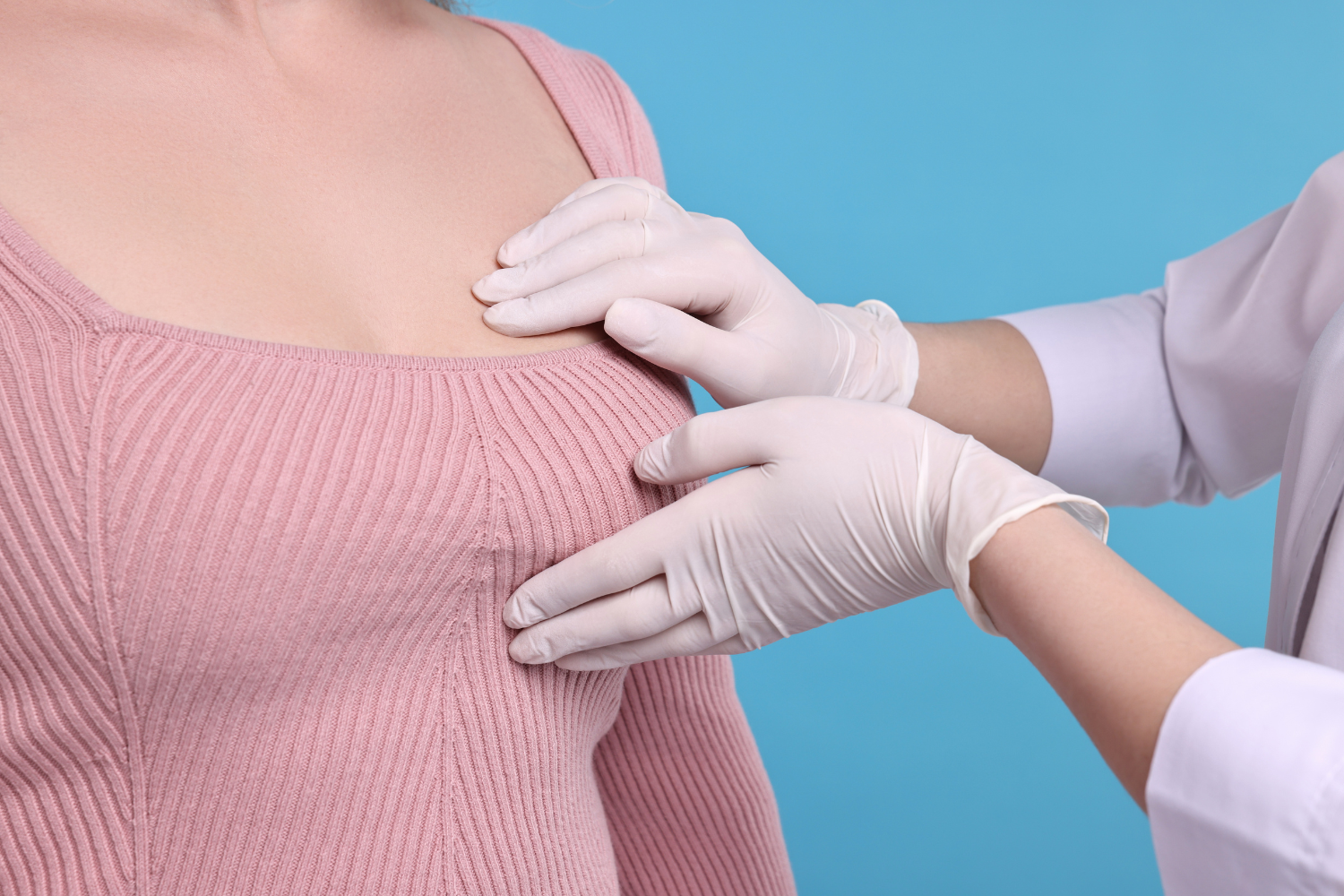
Deciding to undergo breast augmentation can represent much more than just a physical change. For many women, it means regaining confidence, feeling more comfortable in their own skin, or moving closer to an image that better reflects how they want to look. However, after making the decision, an equally important question arises: what will the recovery be like?
The breast augmentation recovery is a gradual process. Although some patients may return to certain activities relatively soon, the body continues to heal for several weeks, and the breasts need time to adjust to their new position and shape. Understanding each stage can help you set realistic expectations and go through the process with greater peace of mind.
Dr. Allan Ceballos understands that every patient experiences recovery differently. That is why recommendations must be tailored to the specific procedure performed, the type of implant, the surgical technique, and each woman's individual progress.
A good recovery begins long before you enter the operating room. Receiving clear information, preparing your space, organizing the support you will need, and understanding medical instructions can make a significant difference in your experience. Below, you will find a general timeline and tips for taking care of your body during the different stages.
Recovery after breast augmentation surgery does not happen overnight. During the first few weeks, your body goes through various healing processes as swelling and discomfort subside.
It is normal for your breasts to feel sensitive, tight, or different than you imagined during the first few days. You may also experience swelling and a feeling of pressure, especially as the tissues begin to adapt.
The intensity of these symptoms varies from patient to patient. The type of surgery, implant placement, technique used, and individual characteristics can all influence how the process unfolds.
That is why your recovery does not have to look exactly like another patient's. The experiences of friends, family members, or people you find online can serve as a reference, but they never replace the instructions provided by your surgeon.
Understanding the different stages can help you know what to expect and when to consult your medical team if you have any concerns.
The first two days are usually for resting. After surgery, you may experience swelling, sensitivity, a feeling of pressure, and fatigue.
It is important to have someone who can support you, especially during the first few hours. Having help with preparing meals, moving around the house, and performing basic activities can make this stage much more comfortable.
During this period, you must carefully follow the instructions provided by your medical team. Medication, incision care, and the use of support garments must be managed exactly as directed.
It is not advisable to try to do too much simply because you feel capable. Rest is part of the treatment, and giving your body time to recover is one of the best decisions you can make.
During the first week, many patients begin to feel progressively better, although they may still experience swelling and sensitivity.
You may be able to walk gently and perform some basic activities, depending on the instructions you received. However, you should still avoid physical exertion, sudden movements, and activities that put pressure on your chest.
Postoperative check-ups are especially important during this stage. They allow the surgeon to evaluate the progress of the incisions, swelling, and the position of the implants.
Medical follow-up is an integral part of a successful surgery. As Dr. Ceballos' approach emphasizes, surgery represents only one part of the process, while ongoing support allows for monitoring progress and addressing any changes in a timely manner.
As the weeks progress, discomfort usually decreases and you can begin to gradually return to part of your routine.
You may still notice swelling, some sensitivity, or changes in the position of your breasts. This does not necessarily mean there is a problem. The tissues continue to adapt and the final result is still evolving.
During this stage, it is important not to rush your return to exercise. Even if you feel better on the outside, internal healing is still ongoing.
Your surgeon will determine when you can drive, return to work, lift certain objects, or resume specific physical activities.
For many patients, this period represents a transition toward a routine closer to normal.
The swelling will usually have decreased considerably, although some changes may persist. The breasts may begin to take on a more natural appearance as the tissues relax and the implant integrates with your body's contours.
Depending on your progress, the Dr. Allan Ceballos can gradually authorize different activities. There is no universal date for all patients, so it is important to follow your own medical schedule.
Returning to exercise too soon can affect your recovery. That is why, even if you feel completely fine, you should wait for the appropriate authorization before resuming intense workouts.
From this point on, many patients may have resumed most of their usual activities, provided their progress has been favorable and their surgeon has authorized it.
However, internal recovery can continue for several months. The shape of the breasts may continue to refine, and the scars may gradually change in appearance.
The final result should not be evaluated too soon. Patience is an important part of breast augmentation recovery.
One of the most frequently asked questions after breast augmentation is when you will be able to see exactly what your breasts will look like.
Immediately after surgery, the tissues may be swollen and the implants may appear higher or different than expected. This initial appearance does not necessarily represent the final result.
Over the following weeks and months, the swelling subsides and the tissues adapt progressively. The appearance may change gradually.
The exact timing depends on each patient and factors such as the technique used, the type of implant, your anatomy, and your individual healing response.
For this reason, it is important not to compare your results from the first few weeks with photographs of patients who are several months into their recovery.
Post-operative care must follow your surgeon's specific instructions. However, there are general principles that can help you understand why some recommendations are so important.
Getting enough sleep and rest allows your body to focus its resources on recovery. During the first few days, try to maintain a calm routine and avoid committing to unnecessary activities.
Fatigue can make recovery feel more difficult, so having help at home can be especially useful.
After breast augmentation surgery, tissues need time to heal. Lifting heavy objects, performing repetitive arm movements, or exercising intensely too soon can interfere with the process.
The exact instructions will depend on your surgery. Your medical team will determine when you can progressively increase your activity level.
Depending on the technique used, your surgeon may recommend a specific garment for the post-surgery period.
Its purpose is to provide support and comfort during recovery. You should wear it according to the instructions provided and avoid replacing it with garments that have not been recommended by your medical team.
Incisions require attention during the healing period. Following medical instructions for their care is essential.
Do not apply any products to your wounds on your own. Even if you find recommendations on social media, it is best to consult your surgeon first.
Healing can vary considerably between patients, and your team may recommend specific care based on the appearance of your incisions.
During recovery, a balanced diet can help provide your body with the nutrients it needs.
It is advisable to maintain a varied and sufficient diet, in addition to following medical instructions regarding hydration and nutrition.
If you have dietary restrictions or any specific health conditions, inform your team before surgery to receive tailored recommendations.
The timing for returning to work depends primarily on the type of activity you perform and how your recovery progresses.
Someone who works from home or has a primarily sedentary job may have a different schedule than someone whose work requires lifting objects, constant arm use, or physical activity.
For this reason, there is no single number of days that is right for every patient.
Before scheduling your return, consider not only how you feel but also the physical demands of your job. Feeling better does not necessarily mean that your tissues have finished healing.
Exercise should be resumed gradually and always with your surgeon's approval.
Light walking can be part of early recovery when your medical team deems it appropriate. However, activities involving the chest, arms, or intense movement usually require more time.
Returning to the gym too soon can increase strain on tissues that are still healing.
When the time comes to resume physical activity, doing so progressively is often better than trying to immediately return to your previous level.
Your sleeping position may be uncomfortable during the first few days.
Your surgeon may recommend a specific position to reduce pressure on the chest and promote proper recovery. Many patients find it more comfortable to rest with their upper body slightly elevated during the first few days, though instructions should be tailored to each individual case.
Sleeping on your stomach is generally not appropriate during the early stages of recovery, as it can put pressure on the breasts.
The priority is to follow the instructions provided by your medical team rather than adopting a position simply because another patient recommended it.
During the first few weeks, you may notice changes that are part of the normal healing process. Swelling may be more noticeable at times and then decrease. You may also experience sensitivity, tightness, or changes in the shape of your breasts.
Implants may initially appear higher, and the result may feel different than expected.
These changes usually evolve over time, but it is important to maintain communication with your medical team.
Clear information is a fundamental part of a good experience. At Dr. Ceballos, we believe that transparency allows patients to understand both the benefits and potential risks of a procedure, enabling them to make informed decisions.
Although every recovery is different, any symptom that concerns you should be reported to the medical team.
If you notice significant or unexpected changes, pain that increases considerably, marked swelling, concerning changes in your wounds, fever, or other symptoms not covered in your instructions, you should contact your surgeon.
Do not try to determine on your own whether a symptom is normal based solely on information found on the internet.
Your medical team knows your procedure and your progress, so they can provide much more accurate guidance.
A good recovery does not depend solely on what you do at home. Medical check-ups allow us to monitor how your tissues are healing and answer any questions that may arise during the different stages.
Follow-up also allows us to adjust specific recommendations based on your progress.
For Dr. Ceballos, personalized care means adapting recommendations to each patient's needs and maintaining support both before and after surgery.
This relationship between the patient and the medical team can provide greater peace of mind, especially when questions arise during recovery.
A comfortable recovery begins with proper preparation.
Before surgery, organize your resting space and try to have help available for the first few days. It is also helpful to know the instructions you will need to follow in advance and to be clear about when your check-ups will be.
If you are traveling for surgery, planning becomes even more important. You should consider your length of stay, accommodation, transportation, and follow-up medical care. Responsible planning can reduce stress and facilitate your recovery.
It is also important to avoid arriving at surgery with unrealistic expectations. Every body responds differently, and the goal should be to achieve a result that is appropriate for your features, rather than trying to replicate someone else's appearance exactly.
Initial recovery can take several weeks, while full tissue adaptation can continue for several months. The exact timeline depends on the surgical technique, the type of implant, and your individual progress.
It depends on the type of work and your recovery. Sedentary activities may allow for an earlier return, while physically demanding jobs may require more time. Your surgeon must clear you to return based on your progress.
Exercise should be resumed gradually and with medical clearance. Light activities can be incorporated sooner than intense workouts, especially those involving the chest and arm muscles.
The right time depends on your recovery and your surgeon's instructions. During the early stages, it is often recommended to avoid positions that put pressure on the breasts.
The result continues to evolve over the weeks and months that follow. Initial swelling can temporarily alter your appearance, so it is important to wait for the tissues to settle before assessing the final result.
Yes, there may be changes in swelling, position, sensitivity, and shape during recovery. However, any change that concerns you should be reported to the medical team to determine if it is part of the expected healing process.
The breast augmentation recovery is a process that requires patience, care, and follow-up. Knowing what to expect can help reduce anxiety and help you recognize that many initial changes are part of a progressive evolution.
No two recoveries are identical. Your anatomy, the surgical technique, and your body's response will determine how you progress at each stage. That is why personalized care and constant communication with your surgeon are so important.
Dr. Allan Ceballos understands that plastic surgery is a significant and personal decision. His approach combines expertise, safety, clear information, and compassionate care, supporting each patient from the initial consultation through the various stages of recovery.
Surgery may be an important step, but post-operative support is also part of a quality experience.
If you are considering breast augmentation and want to know what your recovery process would be like, schedule a consultation with Dr. Allan Ceballos. During a personalized evaluation, you can discuss your goals, learn about the available options, and receive clear information regarding the surgery, aftercare, and the expected timeline for your recovery.
Your well-being deserves careful planning, realistic expectations, and a team that supports you throughout the entire process. Take the next step with the information and confidence you deserve.
.png)
9 A. M. - 8 P. M.
Monday - Friday
Closed
Saturday - Sunday