
.svg)


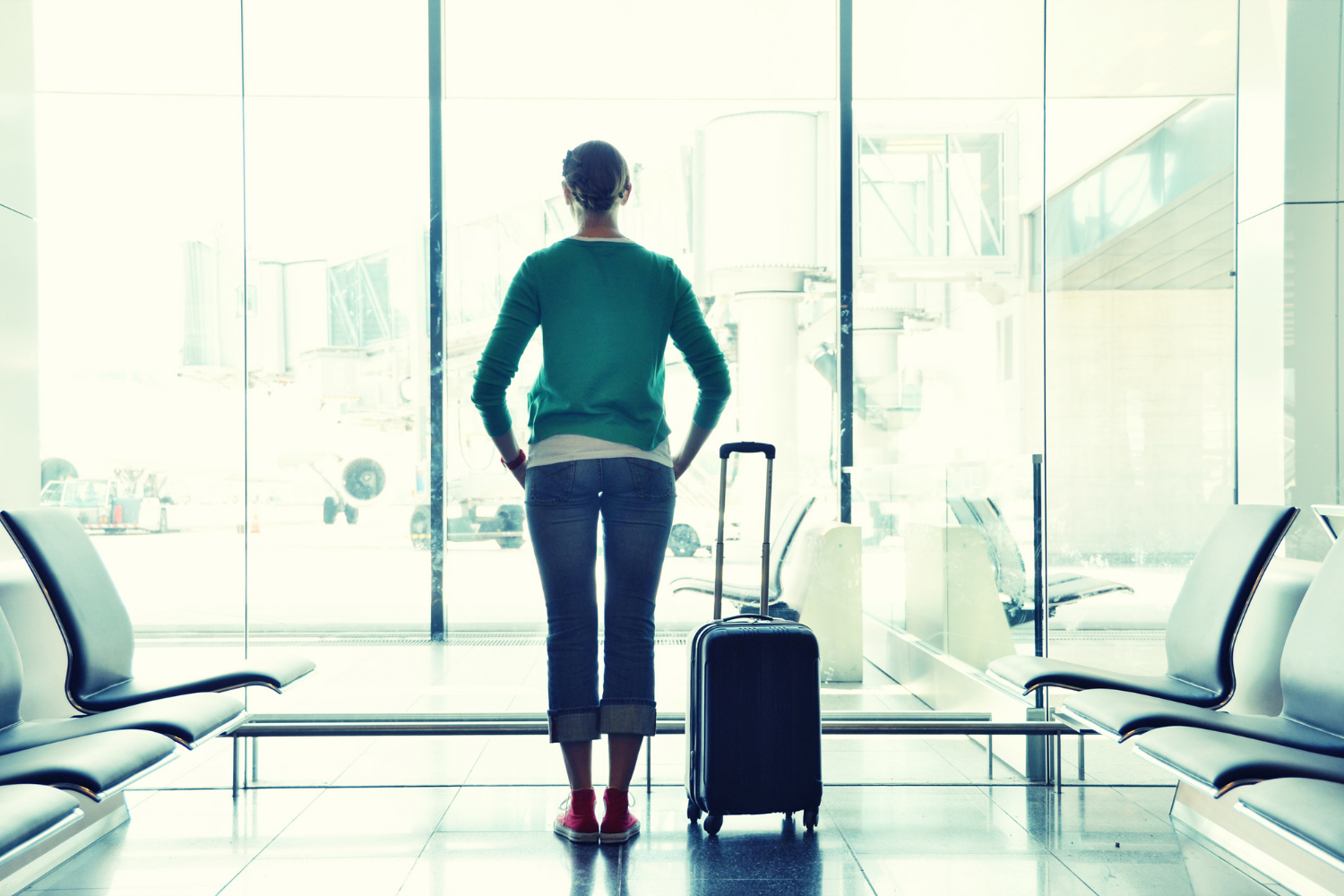
Traveling alone for surgery is a decision that evokes deep emotions. On one hand, there's the excitement of a change, a new chapter, of feeling better about oneself. On the other hand, fear, uncertainty, and doubts arise about whether doing it without company is truly safe.
Many women consider this option when seeking better prices, renowned specialists, or specific procedures. In this context, the safety of medical tourism in Mexico has become a key issue, especially for those traveling alone who want to ensure a calm and positive experience.
The silence of a hotel room, the distance from home, and the responsibility of caring for oneself alone can seem overwhelming. However, with proper preparation, this experience can transform into an empowering process where self-care and confidence take center stage.
Dr. Allan Ceballos understands these concerns and has supported numerous patients traveling alone, guiding them with clear protocols, personalized attention, and a human approach that prioritizes both safety and emotional well-being.
The answer is not absolute; it depends on multiple factors. Traveling alone for a medical procedure can be safe as long as appropriate precautions are taken and both the destination and the specialist are chosen correctly.
The safety of medical tourism in Mexico has improved considerably in recent years. Certified clinics, internationally trained doctors, and strict protocols have positioned the country as one of the most reliable destinations in Latin America.
However, the risk does not disappear completely. The difference between a positive and a complicated experience lies in planning. Choosing a reliable medical environment and having professional support makes a big difference.
Traveling alone allows you to make decisions without depending on others, resulting in a much more personalized experience aligned with your needs. You can organize your schedule, choose your accommodation, and adapt every detail of the trip according to your medical and emotional priorities.
This freedom also reduces the stress that can arise from coordinating with others, allowing you to focus entirely on your well-being.
Furthermore, this autonomy fosters a deeper connection with yourself. Many patients describe this process as a moment of introspection and personal growth, where they not only transform their bodies but also their self-esteem and confidence.
Being alone can become an opportunity to prioritize without interruptions, listen to your body, and attend to your emotions with greater awareness.
Without external distractions, it's easier to follow medical instructions precisely. By not having to attend to a companion or divide your attention, you can focus on resting properly, adhering to medication schedules, and attending your post-operative check-ups on time.
This level of focus can positively influence the results and the speed of recovery. It also allows you to be more attentive to any changes in your body, identify important signs, and communicate more precisely with your surgeon.
This connection with yourself promotes a more conscious, organized, and safe recovery process.
Not having to coordinate schedules makes it easier to choose more convenient dates and take better advantage of options available for clinics and flights. This can translate into better prices, greater availability of specialists, and more efficient planning overall.
Furthermore, it allows you to adjust your stay according to your progress. If you need to stay longer for proper recovery or return sooner than expected, you will have the freedom to do so without depending on others.
This flexibility provides peace of mind and control, two key factors when it comes to a medical experience abroad.
After surgery, especially for aesthetic or invasive procedures, physical support is important. Simple activities like getting up, walking, or even getting dressed may require assistance.
Although rare, complications can occur. Being alone can make it difficult to react quickly to unexpected symptoms.
Recovery is not just physical. The process can cause anxiety or vulnerability, and not having someone close by can intensify these emotions.
Mexico has established itself as a leader in medical tourism thanks to its combination of quality, accessibility, and professional expertise. However, not all centers offer the same level of safety.
It is crucial to research certifications, surgeon experience, and real patient testimonials. The safety of medical tourism in Mexico largely depends on these decisions.
Reputable clinics, such as those Dr. Allan Ceballos collaborates with, have protocols specifically designed for international patients, including postoperative follow-up, personalized assistance, and logistical coordination.
Don't rely solely on social media. Verify credentials, certifications, and experience in the procedure you wish to undergo.
Ensure the medical center complies with international standards. This is key to reducing risks.
Look for comfortable and safe places near the clinic. Ideally, with services that facilitate your recovery.
Even if you're traveling alone, consider hiring nursing or assistance services. Many clinics offer this type of support.
Inform family or friends about your location and progress. Having a contact network is essential.
Include your medical history, previous tests, and emergency contacts. This facilitates any intervention if necessary.
There are situations where traveling alone is not the best option. Complex or high-recovery procedures, pre-existing medical conditions, or high anxiety can be signs that you need companionship.
It's also important to assess your stress tolerance and your ability to handle unexpected situations. It's not just about logistics, but about overall well-being.
The surgeon not only performs the procedure but is also responsible for guiding you before, during, and after surgery. Choosing a committed professional makes a significant difference.
Dr. Allan Ceballos offers comprehensive care that includes pre-travel guidance, personalized follow-up, and constant support, even for patients traveling alone. This type of support significantly reduces risks and enhances the experience.
Traveling alone for surgery presents an emotional challenge. It's important to prepare mentally, set realistic expectations, and understand each stage of the process.
Practicing relaxation techniques, being well-informed, and maintaining a positive attitude can help you have a calmer experience.
Recovery is one of the most delicate stages. If you decide to travel alone, it's crucial that everything is organized beforehand.
Having medications ready, secured transportation, and direct contact with your doctor is key. It's also advisable to have constant virtual follow-up.
Yes, as long as you take the necessary precautions. The safety of medical tourism in Mexico allows many patients to do so without issues, but planning is essential.
It's highly recommended, especially during the first few days of recovery. This reduces risks and improves comfort.
Verify certifications, experience, and patient reviews. Transparency and communication are key indicators.
You must have immediate access to medical care. That's why it's important to choose clinics that offer continuous follow-up and support.
Traveling alone for surgery is not a decision to take lightly, but it doesn't have to be a risky experience. With the right preparation, proper support, and the choice of a reliable professional, it can become a positive and transformative process.
Dr. Allan Ceballos has guided many patients on this journey, providing not only aesthetic results, but also peace of mind and confidence at every stage of the process. If you are considering this option, taking the next step with professional advice can make all the difference.
Your well-being is what matters most. Don't leave your safety to chance; get informed, prepare, and choose responsibly.
.png)
9 A. M. - 8 P. M.
Monday - Friday
Closed
Saturday - Sunday